
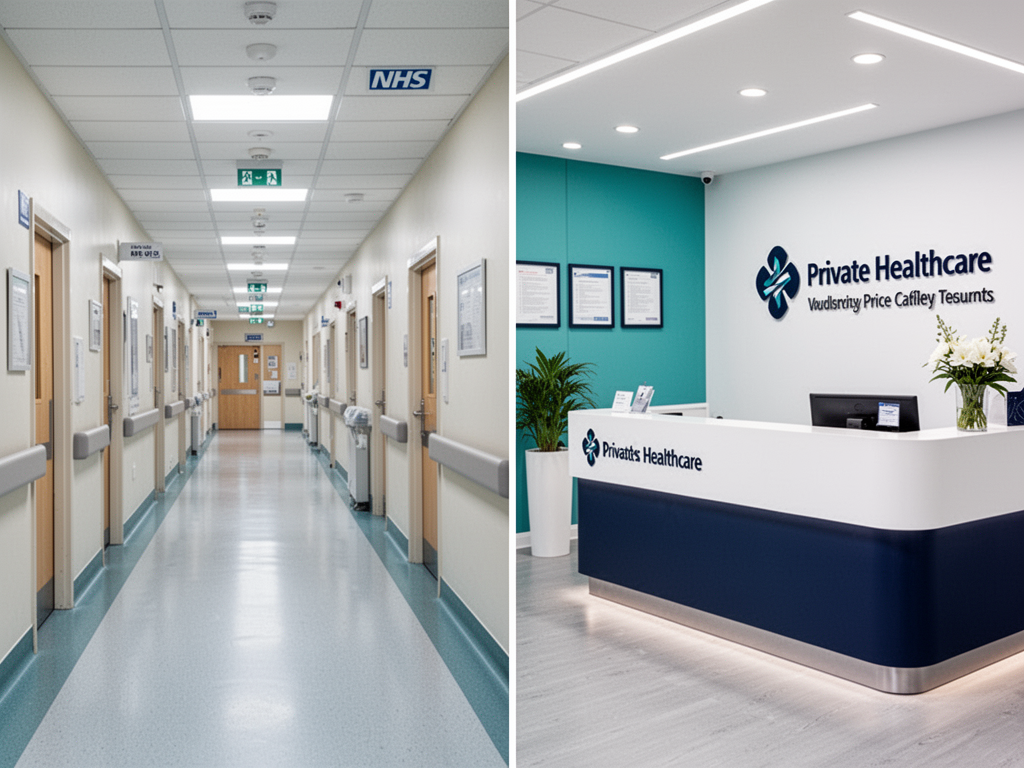
Understanding Your Options
The UK has one of the best publicly funded healthcare systems in the world. The NHS provides free healthcare for everyone, and for many routine and emergency situations, it does an excellent job. But for self-employed professionals, contractors, and business owners whose income depends on their ability to work, the question isn't whether the NHS is good, it's whether it's fast enough.
Where the NHS Excels
It's important to recognise what the NHS does well:
- Emergency care: A&E departments handle emergencies brilliantly, no private insurer matches this
- GP access: Free GP appointments for ongoing health management
- Maternity care: Comprehensive pregnancy and childbirth support
- Chronic disease management: Long-term conditions like diabetes and asthma
- Prescriptions: Subsidised medication costs
- Cancer screening programmes: National screening for breast, cervical, and bowel cancer
Private health insurance isn't designed to replace the NHS, it complements it by filling the gaps where waiting times and access to specialists become a problem.
Where Private Cover Makes the Difference
For self-employed professionals and business owners, the key advantages of private cover are:
- Speed: Quick access to consultant appointments and diagnostic tests rather than waiting weeks or months
- Choice: Pick your hospital, your consultant, and your appointment time
- Comfort: Private rooms, better facilities, and a more personalised experience
- Mental health access: Prompt psychiatric and therapy support vs lengthy NHS waits
- Flexibility: Appointments that fit around your work schedule
The Waiting Time Reality
NHS waiting times have been a persistent challenge. While the NHS works hard to reduce backlogs, many patients face significant waits for:
- Specialist referrals
- Diagnostic imaging (MRI, CT scans)
- Elective surgery (joint replacements, hernia repairs)
- Mental health therapy and assessments
For someone whose income depends entirely on being fit and able to work, those waiting times represent lost earnings, stalled projects, and mounting stress.
Cost Comparison
The NHS is funded through taxation, so it's "free at the point of use." Private health insurance adds a monthly cost, but consider what you're getting:
- Individual cover: Typically from around £30–£80 per month
- The cost of not working: If you're self-employed earning £50,000+ per year, a few months off work costs far more than years of premiums
- Tax benefits: Limited company directors can pay through the company, reducing the real cost
Can You Use Both?
Absolutely, and most people do. You remain entitled to full NHS care whether or not you have private insurance. Many policyholders use the NHS for routine GP visits, prescriptions, and emergencies, and use their private cover when they need fast access to specialists or treatment.
Some policies even include a "six-week NHS option", you can use the NHS if the wait is under six weeks and only go private when it's longer. This can reduce premiums by 20–40%.
Who Benefits Most From Private Cover?
Private health insurance is particularly valuable for:
- Self-employed professionals: No employer sick pay to fall back on
- Company directors: The business depends on you being fit
- Contractors: No work means no income
- Business owners with employees: A team health plan keeps everyone productive
- Families: Protecting your children's health and your own peace of mind
Making the Right Decision
The choice isn't NHS or private, it's whether adding private cover on top of the NHS makes sense for your situation. For most self-employed professionals and business owners, the answer is yes, the cost of cover is small compared to the cost of lost income and delayed treatment.
Compare Your Options
Elev8 can connect you with an insurance specialist working for an FCA-authorised firm who can assess your circumstances. Make a no-obligation enquiry to explore options that may complement your NHS care.
Watch the Video Guide
Is Private Health Insurance Worth It? | My Personal Story
Explore more video guides on our Learn page